
When it comes to cookware, not all pots and pans are created equal. Whether you’re a home cook who loves experimenting with recipes or a professional chef striving for perfection, the material of your cookware makes a huge difference in the final dish. That’s where Triply Cookware comes into play—a game-changer that combines durability, performance, and safety.
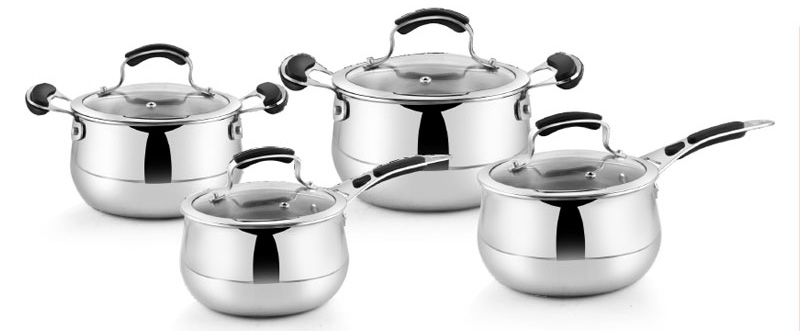
What is Triply Cookware?
Triply cookware is made by bonding three layers of metal together. The typical construction includes:
- Inner Layer (Cooking Surface): Usually food-grade stainless steel (SS 304) which is non-reactive and safe for all types of cooking.
- Middle Layer (Core): Made of aluminum, known for its excellent heat conductivity. This layer ensures even heat distribution across the surface.
- Outer Layer (Base): Often made from magnetic stainless steel (SS 430), making the cookware induction-compatible and enhancing its durability.
This three-layered structure gives Triply its name and its standout performance.
Why Choose Triply Cookware?
✅ Even Heat Distribution
Thanks to the aluminum core, Triply cookware heats up quickly and evenly, preventing hot spots that can burn food.
✅ Durability
Stainless steel offers resistance to rust, corrosion, and staining. When bonded in a Triply structure, the result is incredibly tough cookware that lasts for years.
✅ Safe and Non-Reactive
Unlike some non-stick pans, stainless steel doesn’t react with acidic or alkaline foods, so your dishes remain pure in flavor.
✅ Energy Efficient
Because it heats efficiently and retains heat well, you can often cook at lower temperatures—saving both energy and time.
✅ Versatile Cooking Triply cookware is compatible with gas, electric, ceramic, and induction stoves. Most are also oven-safe, making them great for stovetop-to-oven recipes.
Triply vs. Regular Stainless Steel Cookware
| Feature | Triply Cookware | Regular Stainless Steel |
| Heat Distribution | Excellent (due to aluminum core) | Poor to Moderate |
| Cooking Speed | Faster | Slower |
| Price | Higher | Lower |
| Durability | High | Moderate to High |
| Induction Compatibility | Yes | Not always |
How to Take Care of Triply Cookware
- Avoid using metal spatulas to prevent scratching.
- Clean with mild detergent and a soft scrubber.
- For stubborn stains, a mix of baking soda and vinegar works well.
- Avoid sudden temperature changes (like pouring cold water into a hot pan) to prevent warping.
Is It Worth the Investment?
Absolutely. While Triply cookware tends to be more expensive than traditional pots and pans, it offers professional-level performance, longevity, and versatility. It’s especially worth it if you cook often and care about the quality of your meals.