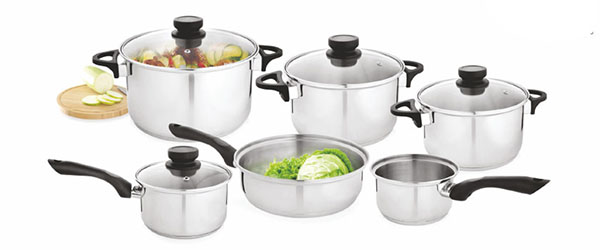
When you reach for your favorite stainless steel saucepan or skillet, you’re likely thinking about what you’re going to cook—not how that piece of cookware came into being. Yet behind every gleaming pan is a complex process of metallurgy, engineering, and craftsmanship. Today, we’re taking you behind the scenes to explore how high-quality stainless steel cookware is made—and what makes it truly worth the investment.
The Raw Material: Stainless Steel
The story begins with the selection of raw materials. High-end cookware typically uses 304-grade stainless steel, also known as 18/10 stainless, which contains 18% chromium and 10% nickel. Chromium gives the steel its corrosion resistance, while nickel enhances shine and increases resistance to heat and chemical damage.
Notably, stainless steel by itself doesn’t conduct heat well. That’s why manufacturers often bond it with highly conductive metals like aluminum or copper to create cookware that performs beautifully in the kitchen.
The Cladding Process: Bonding Layers
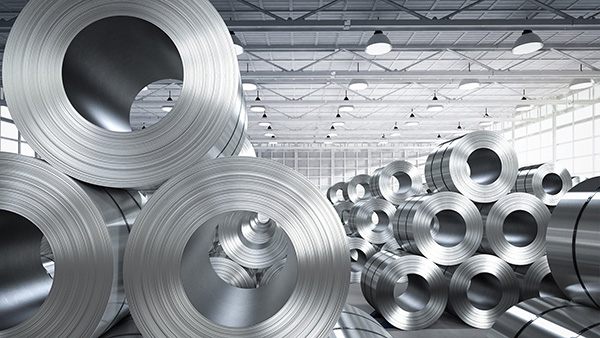
One of the most defining features of premium stainless steel cookware is its multi-clad construction—multiple layers of metal bonded together to combine the strengths of each.
Typically, a three-ply or five-ply construction is used:
- Three-ply: stainless steel + aluminum core + stainless steel
- Five-ply: stainless steel + aluminum + aluminum alloy + aluminum + stainless steel
These layers are fused under intense pressure and heat using a process called roll bonding, resulting in a single sheet of metal that delivers even heating, structural integrity, and corrosion resistance.
View our: Stainless Steel Triply Cookwae Range
Cutting and Shaping: Forging the Cookware
Once bonded, the multi-layered metal sheet is cut into discs or blanks. These blanks are then shaped into cookware using one of two methods:
- Impact bonding: A high-pressure stamp forms the base of the cookware by fusing layers together.
- Deep drawing or spinning: The metal is stretched and shaped into the familiar forms of pots and pans.
For the highest quality cookware, manufacturers often use cold forging or precision spinning, which create a stronger, more durable final product without compromising the layered structure.
Finishing Touches: Polishing and Handles
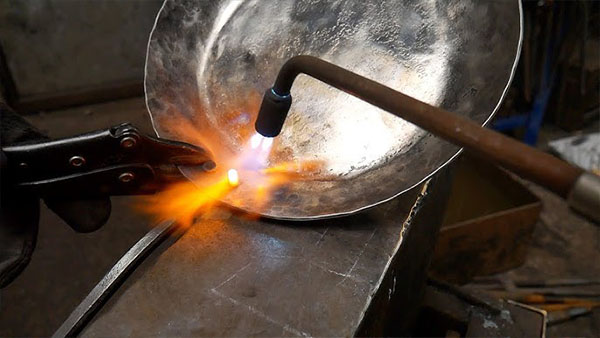
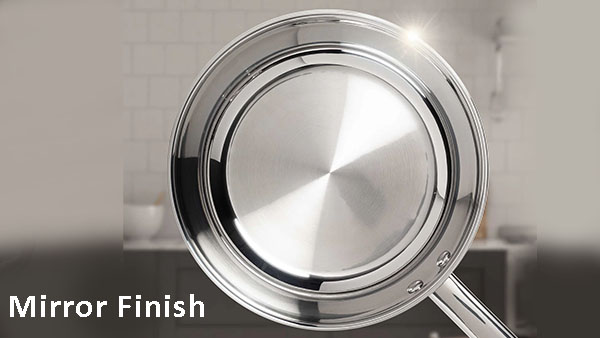
After forming, the cookware goes through meticulous grinding and polishing. High-end brands may apply several stages of polishing to achieve a mirror finish that’s not only beautiful but also resistant to staining and scratching.
Handles are then attached using riveting—a strong and permanent method that ensures durability even under high heat. Some premium brands also opt for welded handles for a sleek, easy-to-clean profile.
Quality Control and Testing
Before it’s packaged and sent to your kitchen, each piece undergoes rigorous quality checks, including:
- Warp testing to ensure it sits flat on stovetops.
- Heat distribution testing for even cooking performance.
- Corrosion and scratch resistance tests to verify longevity.
Only cookware that meets strict standards makes the final cut.
The Result: Cookware That Performs for a Lifetime
The result of all this precision and craftsmanship? Cookware that not only looks stunning on your stove but also delivers exceptional performance for years—if not decades.
When you invest in high-quality stainless steel cookware, you’re not just buying a pan. You’re buying a piece of culinary engineering, designed to provide professional-grade results in your home kitchen.