
In recent years, more and more home cooks, health-conscious families, and sustainability advocates have started to ask a very important question: What’s really in my cookware? The answer isn’t always comforting. Nonstick pots and pans may promise convenience, but many come with a hidden cost—toxic coatings and chemical exposure.
If you’re looking to clean up your cooking—literally and figuratively—it may be time to make the switch to stainless steel cookware. Here’s why ditching the coatings could be the best thing you do for your kitchen, your health, and the planet.
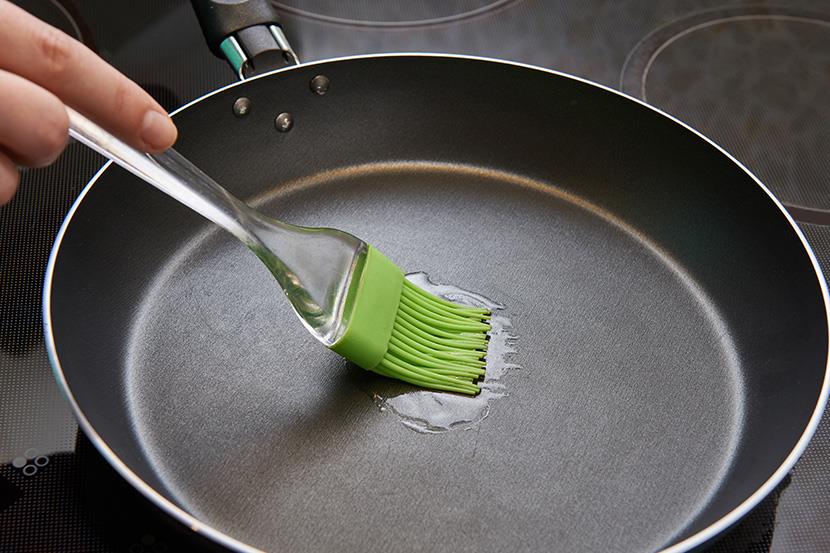
The Hidden Dangers of Nonstick Coatings
Nonstick cookware—especially older or lower-quality versions—often comes coated with chemicals like PTFE (Teflon) or PFOA, which can release toxic fumes when overheated. Studies have linked long-term exposure to these substances with various health concerns, including:
- Hormonal disruption
- Reproductive issues
- Developmental delays in children
- Certain types of cancers
Even newer nonstick alternatives labeled “PFOA-free” can contain PFAS—a group of “forever chemicals” that persist in the environment and human body for years.
And it’s not just what you inhale. As nonstick surfaces degrade, they can flake into your food—tiny bits of synthetic chemicals ending up on your plate.
Why Stainless Steel is the Safe Bet
Stainless steel might not have the flashy nonstick appeal, but it’s a tried-and-true material that has stood the test of time—for good reason. Here’s what makes it a top choice for toxin-free cooking:
1. No Toxic Coatings
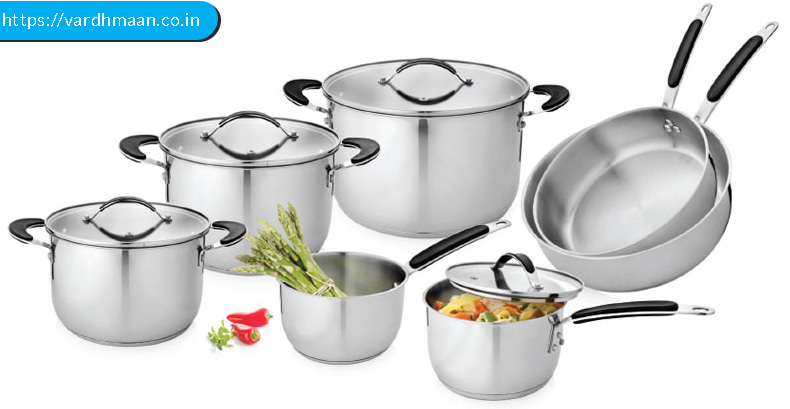
Stainless steel cookware is made without any chemical coatings or synthetic linings. What you see is what you get—just metal, no mystery.
2. Durability
Unlike nonstick pans that degrade over time, stainless steel cookware can last for decades with proper care. That means fewer replacements and less waste.
3. High Heat Tolerance
Cook without fear—stainless steel can handle high temperatures without breaking down or releasing harmful fumes. Perfect for searing, sautéing, and oven roasting.
4. Non-Reactive Surface
High-quality stainless steel won’t leach metals or react with acidic foods like tomatoes or citrus, keeping your meals pure and flavorful.
Cooking Without Coatings: Tips for Success
Yes, there’s a slight learning curve to using stainless steel cookware—but once you get the hang of it, you may never go back. Here’s how to make the most of it:
- Preheat the pan: Always let your pan heat up before adding oil or food. A simple water droplet test can help—if it dances around, your pan is ready.
- Use enough oil: Stainless steel isn’t nonstick by nature, but proper oiling can prevent food from sticking.
- Let it release: Give food time to sear before flipping. If it sticks, it’s probably not ready yet.
- Clean smart: Use a gentle scrubber or baking soda paste to remove stuck-on bits. Avoid steel wool, which can scratch the surface.
The Sustainable Choice
Stainless steel isn’t just healthier for you—it’s healthier for the planet. It’s fully recyclable, doesn’t release toxins during production, and lasts so long that you may never need to replace it. In a world drowning in waste and micro plastics, switching to stainless steel is a simple way to reduce your environmental footprint.
Final Thoughts
When it comes to cooking for yourself and your loved ones, safety should never be a compromise. The glossy surface of nonstick cookware might be tempting, but the risks lurking beneath are too serious to ignore.
By switching to stainless steel, you’re choosing cleaner food, a cleaner kitchen, and a cleaner conscience.
So go ahead—ditch the coatings, embrace the shine, and rediscover the joy of cooking with tools you can trust.